


Together with our members, we make connectivity work for all.

Quick links
Our latest news
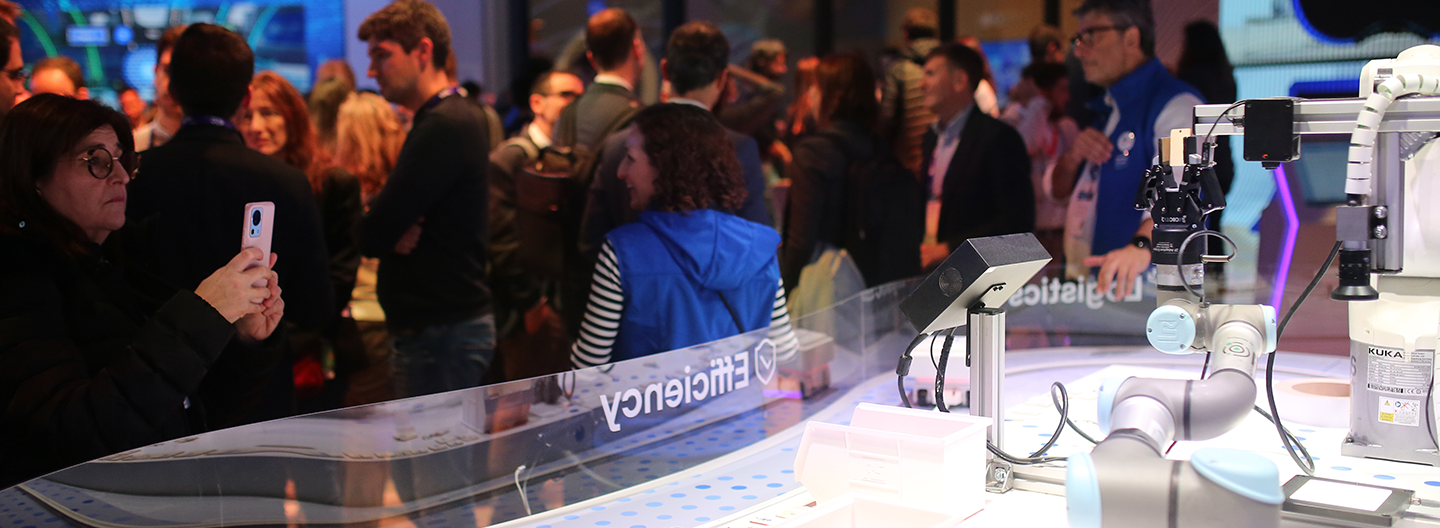
The GSMA at Hannover Messe 2024
Come and meet us at the world’s leading industrial trade fair – where we’ll be showcasing how the GSMA can help to grow your business with better industry connections, more informed decision-making and access to data-led industry insights.
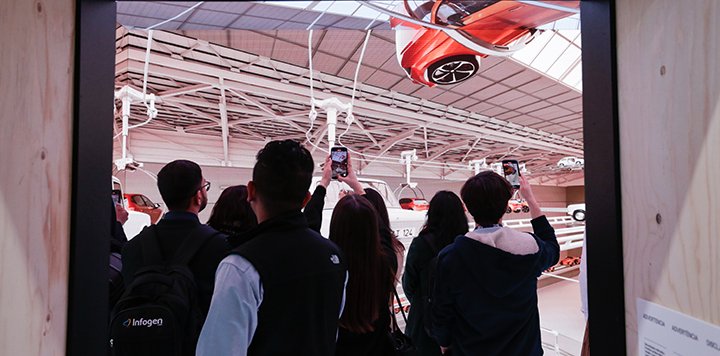
MWC Barcelona 2024 Manufacturing Summit highlights.
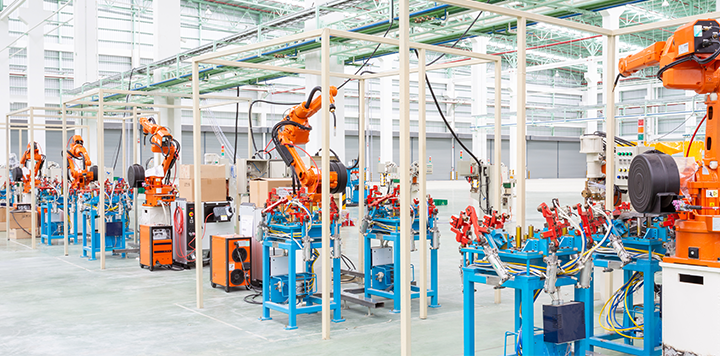
Membership: welcome to connected manufacturing & production
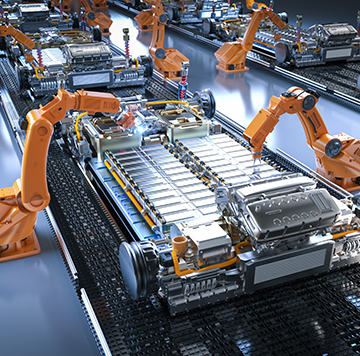
Whitepaper: 5G deterministic networks for industries
Join in with the Connected Manufacturing forum meeting.

See how our services can help your connected industry thrive.
Latest report

Mobile for Humanitarian Innovation Annual Report 2023
Worldwide connectivity events

Highlights
MWC Barcelona
26-29 February, 2024

Upcoming
M360 Eurasia
15-16 May, 2024
Baku, Azerbaijan
Get involved

GSMA membership
Join our 15,000-strong community of industry experts – it’s your opportunity to form lasting business relationships and direct the future of mobile technology.

Meet the GSMA
Learn about the mobile industry’s commitment to the UN’s Sustainable Development Goals, who’s on our board, what it’s like to work here and our history.

The GSMA app
Get up-to-the-minute industry news straight to your phone, plus networking and analysis on the go. Download the GSMA app now.



Latest global data
GSMA Intelligence brings unrivalled insight into shifts in the mobile industry, supporting mobile operators with strategic decision-making and long-term investment planning.
You can easily size up markets, profile competitors and future-proof business planning. Plus, our expert analyst team is available to help guide you.
Get more key data